Take Action
Fund the Movement
Your contribution directly funds the programs rebuilding communities and equipping leaders across Africa.
Take Action
Your contribution directly funds the programs rebuilding communities and equipping leaders across Africa.

When African governments, international organisations, and development partners talk about mental health on the continent, the conversation almost always ends up in the same place. More funding. More facilities. More trained psychiatrists. More access to medication. These are not wrong answers. But they are incomplete ones. And the incompleteness is costing us.
Heal Africa Team
Heal Africa Group
When African governments, international organisations, and development partners talk about mental health on the continent, the conversation almost always ends up in the same place. More funding. More facilities. More trained psychiatrists. More access to medication. These are not wrong answers. But they are incomplete ones. And the incompleteness is costing us.
Africa's mental health crisis is real and it is severe. The World Health Organisation estimates that Africa carries 14 percent of the global burden of mental health conditions but has access to less than 1 percent of the world's mental health resources. Depression, anxiety, post-traumatic stress, psychosis, substance dependence — these are not rare conditions affecting a small number of people in isolated circumstances. They are widespread, underdiagnosed, undertreated, and deeply stigmatised across communities that often have neither the language nor the infrastructure to respond to them.
But here is what the healthcare framing misses. Mental health in a community is not primarily a clinical problem. It is a cultural and leadership problem. And until we address it at that level, we will keep building systems that treat symptoms while the conditions producing those symptoms remain untouched.
Consider what shapes the emotional health of a community. It is not primarily access to a therapist, though that matters. It is the environment that community lives in every day. Whether the people in it feel safe. Whether they trust the institutions that govern them. Whether they have experienced justice or its consistent absence. Whether their grief has ever been acknowledged or whether they have been told, in a thousand different ways, to be strong and move on. Whether the leaders above them model emotional intelligence or model the suppression of it.
All of those things are leadership decisions.
When a governor responds to a community's trauma with a press release and a promise of infrastructure, that is a leadership decision about what counts as a real problem and what does not. When a pastor tells a congregation that depression is a spiritual failure and prayer is the only prescription needed, that is a leadership decision that will keep people from seeking help they desperately need. When a traditional ruler dismisses a young man's mental health struggles as weakness unbecoming of a man from this community, that is a leadership decision that may cost that young man his life.
Leadership shapes the emotional climate of the communities it governs. This is not a metaphor. It is a structural reality. The attitudes, beliefs, and behaviours of the people at the centre of a community ripple outward into the lived experience of everyone in it. A leader who understands emotional health, who has done some of their own inner work, who can speak about pain and healing without shame, creates conditions where the people they lead feel permission to do the same. A leader who cannot do this, regardless of how well-intentioned they are, creates conditions where the stigma holds, where people suffer in silence, where the crisis deepens while the official narrative insists everything is fine.
This is why well-resourced programmes keep underperforming. You can build a mental health clinic in a community whose cultural leadership has decided that seeking help there is a sign of weakness or spiritual failure, and that clinic will sit underused. You can train community health workers to identify and refer people with mental health conditions, and those workers will struggle to gain the trust of a community that has not been given any reason by its leaders to believe that vulnerability is safe. You can run awareness campaigns, produce flyers, host radio programmes, and the needle will barely move if the people the community actually listens to have never modelled a different way of relating to emotional pain.
The entry point for sustainable mental health change in Africa is not the clinic. It is the leader.
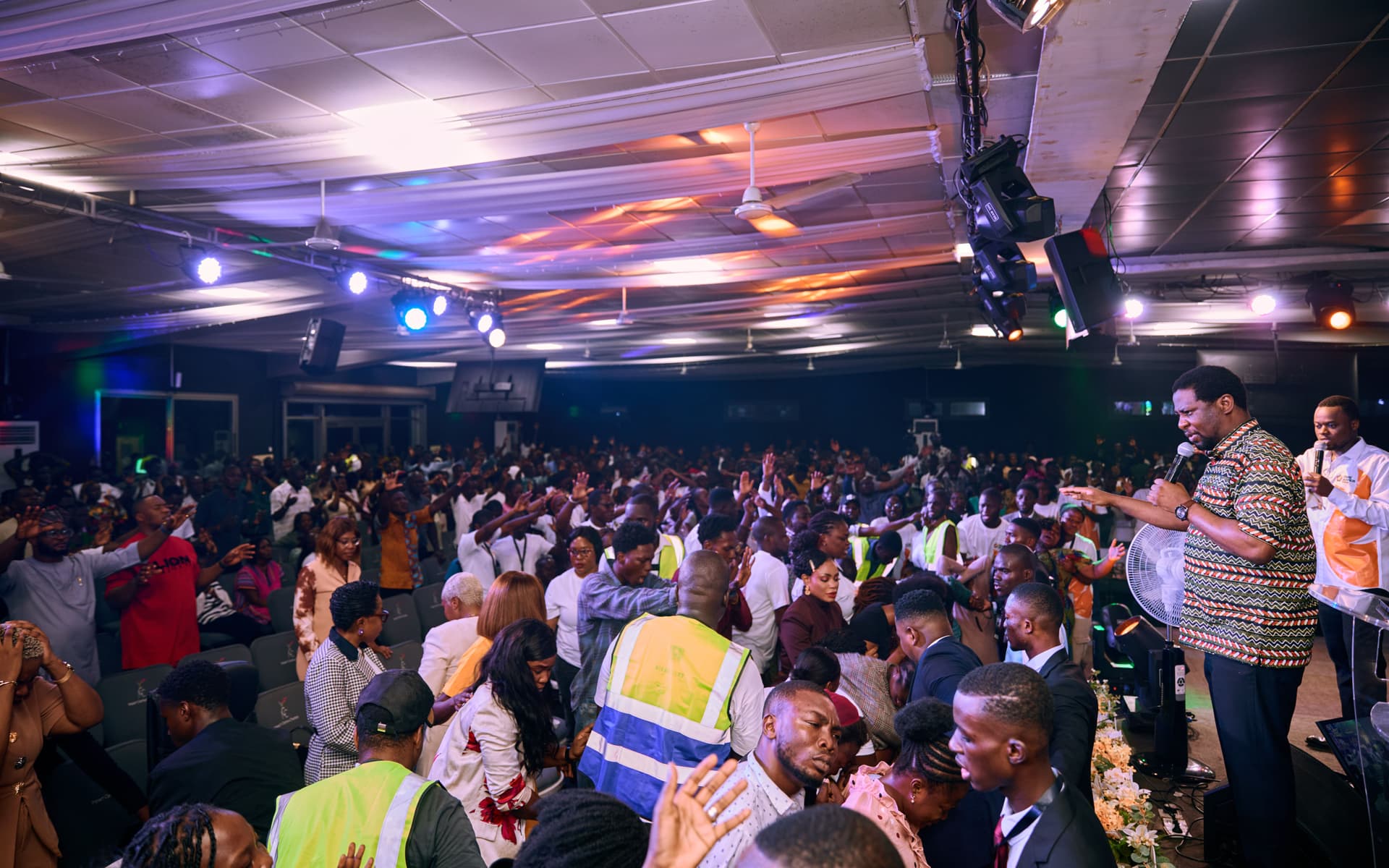
This means that the pastor who speaks to thousands every week carries an extraordinary responsibility and opportunity. If he speaks about grief and anxiety and the legitimacy of seeking help, he will move more people toward healing than a dozen awareness campaigns. If he continues to frame emotional struggle as a failure of faith, he will continue to be one of the most powerful barriers to the very healing his community needs.
It means that the elected official who controls resource allocation needs to understand that mental health infrastructure is not a luxury budget line. It is the foundation on which every other development intervention either stands or collapses. A community with high rates of untreated trauma, depression, and anxiety will not be able to fully utilise educational investment, economic opportunity, or social programmes. The emotional health of the population is not separate from its development. It is the precondition for it.
It means that the traditional ruler and the community elder, whose words carry the weight of generations in many African contexts, have the power to either perpetuate stigma or dismantle it. Not through policy. Through the way they speak. Through whether they are willing to say, in public, that what happened to this community hurt us, and that healing is not weakness but wisdom.
None of this removes the need for trained professionals, for clinical infrastructure, for government funding, for international support. All of that is still necessary. But it is necessary in a context created by leadership. And right now, across much of Africa, that context is one where emotional pain is privatised, stigmatised, and expected to resolve itself through willpower and prayer.
Changing that context is a leadership task. It requires leaders who understand that they are not just managing resources and resolving disputes. They are shaping the emotional reality of the communities they serve. That is an enormous responsibility. And it begins with a question that most African leaders have never been asked to sit with seriously.
How emotionally healthy are you? And what are you passing on?
Want to support this work?
Every contribution funds a healing cohort, trains a peer facilitator, and reaches another community.